

 Send Inquiry
Polyester Staple Fiber
Price 800 USD ($)/ Ton
MOQ : 28 Tons
Polyester Staple Fiber Specification
- Staple Length
- 32 mm, 38 mm, 51 mm, 64 mm
- Elongation
- 20%-45%
- Crimp Frequency
- 8-16 per 25 mm
- Crimp Recovery
- 85%
- Elasticity
- Good
- Material
- Polyester
- Fiber Length
- 32-102 mm
- Fineness (%)
- 1.2-15 denier
- Pattern
- Raw
- Use
- Non-Woven Fabric
- Feature
- Eco-Friendly
- Application
- Filling Materials, Filtration, Yarn Production, Geotextiles
- Luster
- Bright, Semi-Dull, Full-Dull
- Melting Point
- 250-260C
- Tenacity
- >5 g/d
- Color
- White and Dope Dyed
- Form
- Staple Fiber
- Moisture Regain
- 0.4%
- Shrinkage
- 2% at 100C
- Type
- Virgin/Recycled Polyester Staple Fiber
Polyester Staple Fiber Trade Information
- Minimum Order Quantity
- 28 Tons
- Supply Ability
- 100 Tons Per Week
- Delivery Time
- 10-15 Days
About Polyester Staple Fiber
2. It can be combined with other materials:
As rayon, cotton, wool, nylon or viscose, increasing the quality of the final product and allowing a multiplicity of uses. That is why a company offers me a functional textile in which it takes advantage of the naturalness of cotton and combines it with the durability of polyester.
Versatile Sourcing and Manufacturing
We provide polyester staple fiber both as virgin and recycled types, catering to eco-conscious and performance-driven industries. As a distributor, exporter, manufacturer, supplier, and trader in South Africa, we can deliver tailored fiber specifications to meet diverse requirements, ensuring timely supply across the region.
Superior Material Properties for Multiple Applications
Our fiber's high tenacity, low moisture regain, and excellent elasticity make it the ideal choice for non-woven fabrics, filling materials, yarn production, and filtration. The distinct crimp and recovery attributes enhance end-product performance, ensuring resilience and structural integrity across applications.
Customization and Eco-Friendly Options
Choose from a range of lusters, staple lengths, and colors-including dope dyed options for colorfastness-matching project needs precisely. Our recycled polyester varieties support sustainable manufacturing without compromising on quality or mechanical properties.
FAQ's of Polyester Staple Fiber:
Q: How is polyester staple fiber produced, and what are the processing methods involved?
A: Polyester staple fiber is produced by melting polyester chips and extruding them through spinnerets to form continuous filaments, which are then cut into staple-length fibers. The fibers may undergo crimping to enhance elasticity and bulk, and can be either white or dope dyed for color consistency. Both virgin and recycled materials are available depending on sustainability requirements.Q: What are the main applications for this polyester staple fiber?
A: This fiber is commonly used in non-woven fabric production, filling materials (such as pillows and quilts), filtration systems, yarn manufacturing, and geotextiles. Its mechanical properties-like high tenacity and low moisture regain-make it suitable for products demanding durability and resilience.Q: When should I opt for recycled polyester staple fiber over virgin fiber?
A: Recycled polyester staple fiber is the preferred choice when your project requires eco-friendly credentials without sacrificing performance. It is suitable for most non-woven, filling, and textile applications, helping to support sustainable manufacturing practices.Q: Where can I source this fiber in South Africa?
A: As a reliable distributor, manufacturer, exporter, supplier, and trader in South Africa, we can supply polyester staple fiber directly to your facility or export it as needed, ensuring efficient logistics and tailored delivery options.Q: What benefits does dope dyed fiber provide compared to conventionally dyed fiber?
A: Dope dyed polyester fiber is colored during the spinning process, resulting in superior colorfastness, consistent shade, reduced water consumption, and enhanced environmental friendliness as compared to traditional dyeing methods applied post-production.Q: How should I select the appropriate staple length and denier for my application?
A: The choice depends on the end use: shorter staple lengths (e.g., 32 mm) are ideal for softer fillings, while longer lengths (up to 64 mm) improve yarn strength and spinning performance. Fineness, measured in denier, should align with the texture and strength required for your specific product.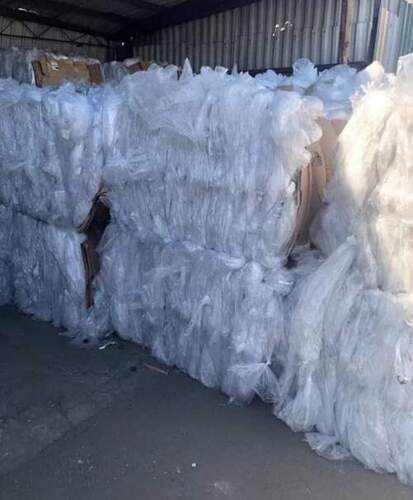
Tell us about your requirement

Price:
Quantity
Select Unit
- 50
- 100
- 200
- 250
- 500
- 1000+
Additional detail
Mobile number
Email

More Products in Sisal Fibres Category
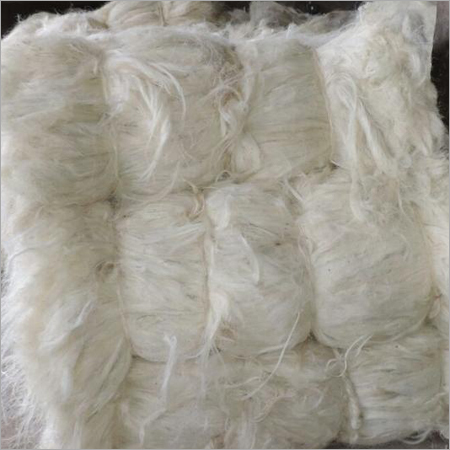
Sisal Fibre
Price 1650 USD ($) / Ton
Minimum Order Quantity : 14 Tons
Pattern : Raw
Staple Length : Long staple
Crimp Frequency : Low
Material : Other, Sisal Fibre

H TO H INVESTMENT
Kruger St & Human St, Krugersdorp Gauteng - 1740, South Africa
Phone :27--734147815
 Send Inquiry

 |
H TO H INVESTMENT
All Rights Reserved.(Terms of Use) Developed and Managed by Infocom Network Private Limited. |
