

 Send Inquiry
Crude Glycerine
MOQ : 10000 Metric Tons
Crude Glycerine Specification
- Sterile
- No
- Indication
- For industrial use only
- Salt Composition
- Crude Glycerine (minimum 80% Glycerol content)
- Dosage
- As per industrial requirements or application guidelines
- Shelf Life
- 2 years from production date when stored properly
- Form
- Liquid
- Grade
- Industrial Grade
- Usage
- For industrial manufacturing, as a feedstock or additive, not for human consumption
- Application
- Pharmaceutical, Cosmetic, Animal Feed, Chemical, and Biodiesel Industries
- Storage Instructions
- Store in tightly sealed containers. Keep in a cool, dry, and well-ventilated area. Avoid exposure to direct sunlight and moisture.
- Ph Level
- 6.5 - 8.0
- Ingredients
- Glycerol, Water, Impurities (salts, methanol, soaps as traces)
- Packaging Type
- Drum, IBC Tank, Flexitank, Bulk
- Boiling Point
- > 290°C
- Hazard Information
- Non-hazardous, handle with standard industrial precautions
- Color
- Clear, pale to dark yellow
- Glycerol Content
- 80% minimum
- Appearance
- Clear to pale yellow viscous liquid
- CAS Number
- 56-81-5
- Impurity Level
- Contains up to 20% impurities (mainly water, salts, methanol)
- Odor
- Mild characteristic odor
- Solubility
- Completely soluble in water
- EC Number
- 200-289-5
- Density
- 1.20 - 1.26 g/cm³ at 25°C
About Crude Glycerine
Details :
- Place of Origin: South Africa
- Grade Standard: Agriculture Grade, Industrial Grade, Medicine Grade, Food Grade
- Purity: 97.9% Min
- Appearance: Colorless Transparent Liquid
- Application: Solvent, food, pharmaceuticals
- Product name: Glycerine
- Grade: Food Grade Industrial Grade
- Density:1.261
- Boiling Point:188.2
- Melting point:- 59oC
- Color: Colorless Transparent
- Packing: 250kg/drum
- Storage: Cool
Crude Glycerin - Crude glycerin is composed of water, methanol, soap, and salt. It generally has a 40 to 88% glycerol content. The biodiesel production process during transesterification involves production of crude glycerol, a natural by-product.
Technical Grade Glycerin - A refined and highly pure grade of glycerin- Technical appears as water white as most of its contaminants are completely removed. There no foreign material, such as salt, soap, methanol, etc. This grade is mainly produced from Biodiesel plants.
Versatile Industrial Applications
Crude glycerine serves as a key ingredient or additive in various sectors, including pharmaceuticals, cosmetics, animal feed, chemicals, and biodiesel production. Its adaptable chemical profile and solubility make it integral to manufacturing processes, ensuring reliable performance in formulations and industrial processes.
Safe Handling and Storage
Despite being non-hazardous, crude glycerine requires standard industrial precautions during handling. For optimal shelf life, store it in tightly sealed containers within cool, dry, and well-ventilated spaces, away from direct sunlight and moisture. Proper storage preserves its properties and prevents contamination.
FAQ's of Crude Glycerine:
Q: How is crude glycerine typically used in industrial applications?
A: Crude glycerine is primarily utilized as a feedstock or additive in the production of pharmaceuticals, cosmetics, animal feed, chemicals, and biodiesel. Its high glycerol content contributes to formulations and manufacturing processes in these industries.Q: What is the recommended process for storing crude glycerine?
A: Store crude glycerine in tightly sealed containers within a cool, dry, and well-ventilated area. It is important to avoid exposure to direct sunlight and moisture to maintain its quality for up to two years from the production date.Q: When should crude glycerine be dosed in manufacturing, and at what rate?
A: Dosage should follow specific industrial requirements or application guidelines. It is important to consult the relevant standards or manufacturer's instructions for accurate dosing in each application.Q: Where is crude glycerine commonly sourced from or distributed in South Africa?
A: Crude glycerine is available from various suppliers, manufacturers, exporters, distributors, and traders across South Africa, catering to industrial customers in different regions.Q: What benefits does crude glycerine offer compared to refined glycerine?
A: Crude glycerine is cost-effective for industrial processes that do not require high purity levels. Its lower price and adequate glycerol content make it suitable as a raw material in biodiesel, animal feed, and non-sensitive chemical formulations.Q: How should crude glycerine be handled to ensure safety?
A: Although non-hazardous, standard precautions such as wearing protective equipment and preventing contact with skin or eyes should be observed. Industrial hygiene protocols help mitigate risks associated with impurities like methanol or salts.Q: What distinguishes crude glycerine's appearance and composition?
A: Crude glycerine typically appears as a clear to pale yellow viscous liquid and contains a minimum of 80% glycerol, with impurities (including water, salts, methanol, and traces of soaps) making up to 20% of its composition.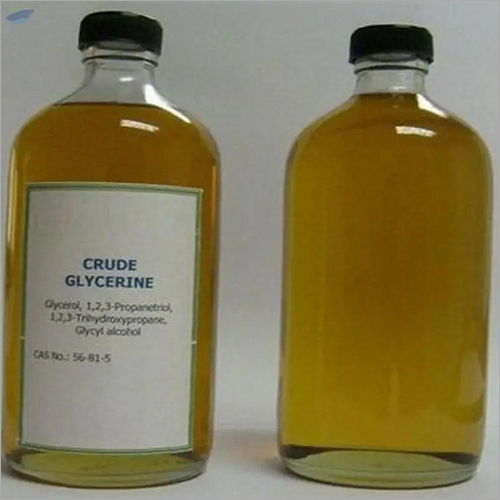
Tell us about your requirement

Price:
Quantity
Select Unit
- 50
- 100
- 200
- 250
- 500
- 1000+
Additional detail
Mobile number
Email

More Products in Glycerine Category

H TO H INVESTMENT
Kruger St & Human St, Krugersdorp Gauteng - 1740, South Africa
Phone :27--734147815
 Send Inquiry

 |
H TO H INVESTMENT
All Rights Reserved.(Terms of Use) Developed and Managed by Infocom Network Private Limited. |
